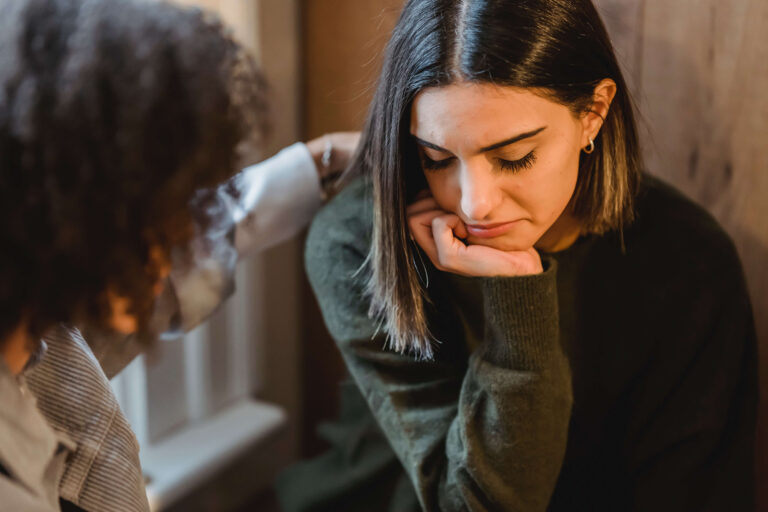
A panic attack is hard to put into words. Many people say it feels as if they are dying. Your heart pounds, your chest feels tight, you can’t catch your breath, and you might feel sick, shaky or sweaty. Some people feel numb, or strangely cut off from their own body. It is frightening, especially the first time.
The most important thing to know is that panic attacks, however terrifying, are not dangerous. They are the body’s fight-or-flight response going off when there is no real threat. Most last somewhere between 5 and 20 minutes (NHS).
During a panic attack
Stay where you are if you can, and slow your breathing down. Breathe in gently through your nose, then out slowly through your mouth, letting the out-breath be a little longer than the in-breath. Counting can help: in for four, out for six.
Remind yourself that this is panic, that it will pass and that it can’t hurt you. Fighting the feelings often makes them stronger, so try to let them rise and fall on their own.
It can also help to ground yourself in what’s around you. Look for five things you can see, four you can touch, three you can hear, two you can smell and one you can taste. Or picture a place where you feel calm and safe.
Between panic attacks
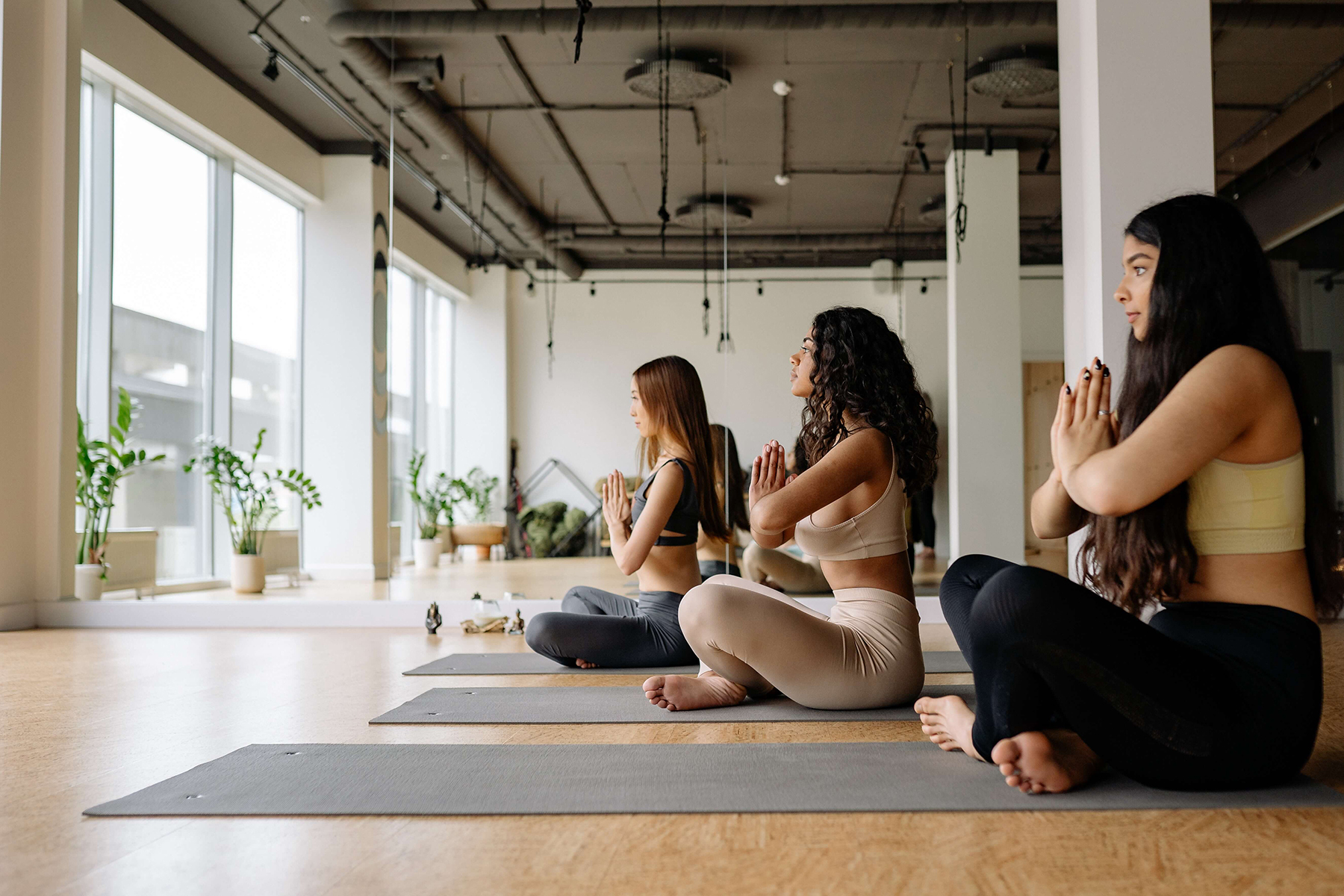
Regular exercise, cutting down on caffeine and alcohol, and a little daily practice of slow breathing or mindfulness can all make panic attacks less likely. Cognitive behavioural therapy (CBT) is one of the main treatments for panic. It helps you understand what happens during an attack and how to respond to it differently.
If you’ve never had a panic attack before, or you have chest pain and aren’t sure what’s causing it, please get checked by a doctor, as some physical conditions can cause similar symptoms.
If panic attacks are affecting your daily life, counselling can help. You’re welcome to book an appointment.